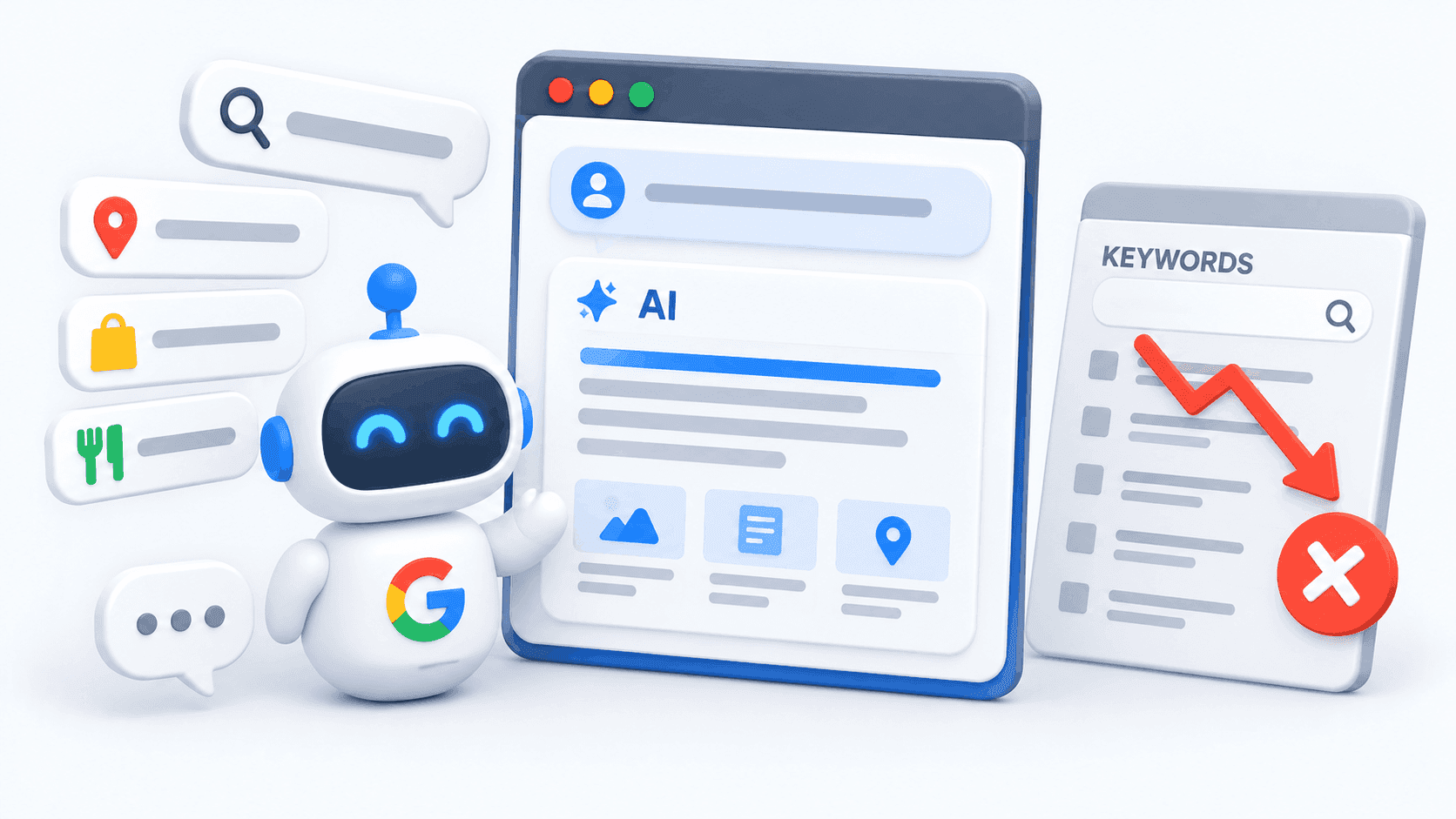
Marketing trends fade because they follow platforms instead of people. The brands that last are the ones that understand how minds work.
Consumer psychology marketing focuses on what truly drives decisions, such as emotion, memory, trust, and social proof. It explains why certain stories stay memorable, why some products feel right, and why loyalty is rarely logical.
Rather than reacting to algorithms, it helps you predict behaviour by studying motivation and mindset. Once you understand what shapes a buyer’s perception, every creative choice becomes deliberate, from the tone of a message to the colour of a design.
This blog will help you to decode your audience’s thoughts, design campaigns that align with real human behaviour, and build influence that lasts beyond any short-lived marketing trend.
TL;DR
Marketing trends fade, but human motives remain constant. Understanding how people think and feel gives campaigns lasting relevance.
Consumer psychology marketing studies perception, emotion, and decision patterns to help brands predict behaviour accurately
Emotional triggers drive value before logic does. Messages that evoke belonging, pride, or comfort convert faster than those that only inform
Social proof and identity shape choices. People copy trusted groups, not advertisements
The brain uses shortcuts such as heuristics, anchoring, and familiarity to decide quickly. Good marketers design around these habits
Trust grows through authenticity and transparency. Manipulative persuasion erodes credibility
Segmenting by mindset works better than demographics. Motivations reveal why people buy, not just who they are
Habits form through cues, actions, and rewards. Reinforcing satisfaction turns one-time buyers into loyal advocates
Data tells what happened, but psychology explains why. Blending both builds empathy and a sharper strategy
The most successful brands act like psychologists: they observe, test, and design messages that align with how minds actually work
The Core Idea: Why Marketing Trends Fade but Buyer Psychology Endures
What happens when marketing chases trends instead of minds
Marketers often sprint towards the latest platform, meme, or tool. The result is a burst of visibility that fades before it builds a real connection.
Trend-driven campaigns might spike impressions but rarely anchor loyalty. Each new update forces teams to restart.
By contrast, marketers who study consumer psychology marketing understand the mental shortcuts and motivations that stay the same regardless of medium. That insight outlasts algorithms.
We explain the consequences of trend-chasing in our blog on why your marketing budget keeps growing, but sales don’t.
Why psychological understanding trumps the latest platform
Platforms change; people don’t. Every buying action reflects timeless needs like belonging, recognition, trust, and convenience.
A post built around these instincts performs even when the platform itself evolves. Psychological strategies keep campaigns flexible because they target the driver, not the display.
Brands that ground content in human behaviour adapt faster and spend less chasing reach.
You can see this buyer-first approach in action in our guide on how No Fluff designs campaigns around your buyer, not just your product.
What consumer psychology actually studies
Consumer psychology examines how people perceive, feel, think, and act when making purchase decisions.
It covers attention, memory, emotion, and social influence, the complete consumer decision-making process.
Marketers use it to predict what will trigger interest or resistance. When combined with analytics, it becomes a precise roadmap for communication that feels intuitive to the audience.
The Building Blocks of Consumer Thinking
How perception and attention work in marketing
Perception decides which messages the brain notices and which it filters out. Design, colour, contrast, and language direct focus.
Attention drops fast when stimuli feel irrelevant. Successful brands craft friction-free visuals that match user expectations yet contain one element of surprise. That balance sustains curiosity and recall.
(Image suggestion: Heat-map image of user eye-tracking on a web advert)
(Alt: Heat map showing where consumers focus their attention on marketing visuals)
The role of memory and familiarity in decision-making
Memory builds through repetition and emotional tone. Familiarity breeds trust; the more often people see a message that feels aligned with their needs, the safer it appears.
This is why remarketing and consistent brand voice matter. Cognitive fluency, which is the comfort of processing something easily, reduces perceived risk and increases purchase intent.
Decision shortcuts and heuristics
People rarely weigh every fact before buying. They rely on “heuristics,” which are quick mental shortcuts like anchoring to a first price or following social proof.
Marketers who design experiences around these patterns simplify choice and reduce drop-off.
Using understanding customer motivations to frame options helps customers feel confident rather than pressured.
The information-processing model in action
Messages pass through four cognitive stages:
Exposure: The message comes into contact with the consumer's sensory receptors, making physical reception possible
Attention: The consumer chooses to allocate mental processing effort to the exposed message, moving it from sensing to actively noticing
Comprehension: The individual interprets the message by assigning a meaning to the stimulus based on personal experience and existing knowledge
Retention: The interpreted message's meaning is stored in long-term memory, making it available for later recall and use
Each stage filters stimuli based on relevance and mental effort.
(insert table here – Information-Processing Model: Exposure → Attention → Comprehension → Retention)
(Alt: table showing four cognitive stages of message processing)
Designers who understand these gates optimise for clarity and timing, ensuring the message travels from perception to memory.
How attitudes form and solidify
Attitudes are composed of three interdependent parts, known as the tri-component model: affective (feelings), cognitive (beliefs), and behavioural (intentions).
Marketing that successfully engages all three components tends to create a durable preference for a product or brand.
Campaigns that appeal to both the heart (affective) and logic (cognitive) often convert faster because they establish an alignment between what a person believes and their subsequent intended behaviour.
Tri-Component Model of Attitude
Component | Function | Core Concept | Consumer Example |
Affective | Feelings or emotions toward an object. | "I like this brand." | Feeling joy when seeing the brand's logo or feeling a sense of trust in the product. |
Cognitive | Beliefs or knowledge about an object. | "I believe this brand is the best quality." | Knowing the product is made with sustainable materials or believing it has the best features. |
Behavioural | Intentions to act or actual actions toward an object. | "I intend to buy this brand next time." | Purchasing the item, recommending it to a friend, or searching for more information online. |
Recognising the Emotional Drivers That Push Decisions
Why emotions shape value perception
Every decision carries emotion first, logic later. Pride, fear, or comfort determine how people judge worth long before comparing price.
Campaigns that appeal to these emotional triggers in buying build stronger recall and higher conversion.
Modern consumer psychology marketing treats emotion as the data point that defines value. When a message aligns with what the customer already feels, resistance decreases and trust increases.
Case Study: Dove “Real Beauty” campaign
This campaign reframed beauty around self-esteem rather than appearance. By validating authentic identity, Dove activated intrinsic motivation: acceptance and belonging.
Its storytelling moved audiences emotionally, building loyalty that no discount could buy. It remains a classic proof that empathy sustains brands longer than aesthetics.
Intrinsic vs extrinsic motivation
Intrinsic motivation stems from internal satisfaction: the joy of solving a problem or feeling competent. Extrinsic motivation relies on external rewards: discounts or praise.
According to Self-Determination Theory, human motivation thrives when three needs are met: autonomy, competence, and relatedness.
Marketing that honours these needs (giving customers control, helping them feel capable, and connecting them to others) earns genuine engagement that lasts beyond the offer.
Goal-directed behaviour and self-regulation
People manage impulses and restraints constantly. They justify indulgence with effort (“I earned this”) or frame necessity as virtue (“I’m investing wisely”).
Recognising these rationalisations helps marketers frame offers that reduce guilt and enhance perceived control.
Messaging that acknowledges both desire and discipline feels human, not manipulative.
Add to this temporal discounting, which is the bias that makes immediate rewards feel more valuable than future benefits.
By highlighting near-term outcomes (“See results today”), marketers ethically align gratification with responsible choice.
Perceived risk and trust
Every purchase carries uncertainty: financial, functional, or social. The higher the perceived risk, the greater the need for reassurance.
Brands mitigate this through credibility cues: guarantees, testimonials, transparent pricing, and clear policies.
Trust is emotional insurance. When consumer psychology marketing designs for trust, conversions rise without extra persuasion pressure.
Emotion–Motivation Matrix
Emotion | Need Triggered | Likely Marketing Cue |
Joy | Achievement / Belonging | Celebration tone |
Fear | Safety / Control | Assurance messaging |
Pride | Status / Mastery | Recognition rewards |
Guilt | Responsibility | Cause-linked campaigns |
Social Influence and Persuasion: The Subtle Forces Guiding Choice
Social proof, norms, and group identity
Humans mirror the behaviour they see validated. Reviews, testimonials, and community use act as shortcuts for safety.
People join what feels popular yet personal. Positioning a product within relatable tribes (fitness parents, indie creators, eco buyers) creates social belonging that logic alone can’t.
Case Study: ALS Ice Bucket Challenge
This viral campaign spread through social proof. Participants joined because peers did, a demonstration of normative influence.
The act required effort and public display, creating identity signalling: “people like me care about this cause.” It illustrates how social validation can mobilise millions without paid media.
Persuasion principles that still work
Reciprocity, authority, scarcity, and consistency remain timeless levers. They function because they echo core human rules: fairness, respect, fear of missing out, and need for reliability.
Used with care, these principles guide without coercion. Overuse, however, flips persuasion into pressure and damages credibility.
The rise of persuasion knowledge
Audiences today recognise marketing tactics instantly. They scroll past exaggeration and reward honesty.
Transparent framing and evidence-based claims preserve influence. Sustainable persuasion depends on balancing clarity with curiosity, inviting choice, not forcing compliance.
Ethical use strengthens credibility and long-term loyalty.
Mapping Your Buyer’s Mental Model and Journey
Understanding the mental map behind every decision
Every buyer builds a mental model: a simplified picture of how a product will meet a need. When marketers align messaging with that model, they remove cognitive friction.
If the model is unclear, confusion increases effort and drives abandonment. Mapping these patterns through consumer psychology marketing helps brands design clarity into every step.
Aligning marketing with mental models creates clarity and confidence.
How attention turns into intention
Awareness alone doesn’t convert. Intention emerges when relevance connects with timing.
According to the Theory of Planned Behaviour, intention depends on attitude, subjective norms, and perceived control.
Marketing that nurtures all three (positive sentiment, social validation, and a sense of capability) strengthens the leap from interest to action.
If your team feels overloaded, our guide on how a good agency saves you time shows why clarity matters more than volume.
Post-purchase memory and experience
Memory reshapes satisfaction. After purchase, people recall highlights and the final emotion more than the details; this is known as the peak-end effect. A thoughtful follow-up or smooth onboarding reinforces that emotional peak.
Sometimes, however, expectations clash with the outcome.
This creates cognitive dissonance, the mental discomfort experienced when holding two or more conflicting beliefs, values, or attitudes simultaneously, or when one's belief clashes with one's behaviour, leading to thoughts like ("I bought this, but was it worth it?").
Brands reduce dissonance by reaffirming the customer's choice: "You made a smart decision." Such reinforcement converts doubt into advocacy.
How Emotions, Identity, and Context Shape Brand Relationships
Brands as meaning-makers
People don’t just buy things; they buy meanings. A product becomes part of how they express identity, through taste, lifestyle, or values.
Strong brands speak the language of belonging. When identity and message align, loyalty strengthens naturally. This emotional fit often beats functional superiority.
The psychology of aesthetics and sensory design
Visuals, sound, and touch shape instinctive judgement. A pleasant design triggers fluency, the ease of processing something smooth and coherent.
That fluency feels like trust. From packaging texture to colour tone, small sensory details tell the brain that the product is safe and worth attention.
Why authenticity builds emotional equity
Authenticity reinforces consistency between what a brand says and what it does. In a crowded market, honesty creates differentiation.
Customers forgive errors faster when intent feels genuine. This is the foundation of building brand trust through psychology, where real alignment matters more than perfect messaging.
The Science of Habit Formation and Behavioural Triggers
How cues and rewards create habit loops
Habits grow when actions link reliably to rewards. A cue sparks the behaviour, the brain anticipates pleasure, and repetition locks the loop.
Loyalty points, reminders, or progress visuals strengthen this cycle. Understanding habit loops helps brands create value that feels effortless, not forced.
Case Study: Starbucks Rewards Programme
Starbucks built its app around a classic cue–routine–reward model. Push notifications act as cues, purchases form the routine, and stars or freebies serve as rewards.
The result is predictable engagement and emotional satisfaction that no simple discount can match.
Behavioural nudges and choice architecture
Small design changes steer decisions without removing freedom. Defaults, layout order, or timing can reduce cognitive effort and improve engagement.
This principle powers most successful behavioural marketing tactics. The goal is not control but clarity, making the best action the easiest one to take.
Using psychological tactics ethically to build trust and loyalty
Ethical marketing respects autonomy. Overusing scarcity or urgency may raise conversions briefly, but destroys credibility later.
When persuasion remains transparent, loyalty compounds. Ethics, in this sense, are competitive advantages built on predictability and respect.
Trigger Type | Psychological Principle | Example Tactic | Risk if Misused |
Scarcity | Fear of missing out | “Limited 24-hour offer” banners | Creates pressure fatigue |
Social Proof | Norm conformity | Highlight reviews and usage stats | Backfires if fake or outdated |
Anchoring | Reference bias | Display the original price next to the discounted one | Can erode trust if overdone |
Reciprocity | Obligation to return | Free resources before upsell | Feels manipulative if insincere |
Loss Aversion | Pain of potential loss | “Don’t miss your rewards” reminders | May trigger anxiety |
If you want to see how ethical persuasion works in real campaigns, explore our Client Success Playbook, where long-term trust is the priority.
Tools & Techniques for Decoding Hidden Motivations
Behavioural research methods marketers can use
Observation and qualitative research uncover motives people don’t state openly. Ethnography reveals context; interviews reveal self-image.
Implicit association tests measure instinctive bias. These tools uncover why buyers act one way but explain it another way. The result is sharper creative direction and more humane messaging.
Leveraging data with behavioural insights
Analytics tell what happened. Psychology tells why. Combining both gives complete visibility. Pairing click data with sentiment studies or review language exposes patterns.
This integration turns analytics into consumer psychology marketing in action, insight translated into empathy.
These psychological drivers of purchase show where intention turns into hesitation, guiding better segmentation and copy refinement.
Using AI and neuroscience tools for a deeper understanding
Eye-tracking, facial-coding, and emotional-response mapping reveal unconscious reactions.
Neuroscience and machine learning together strengthen neuroscience in marketing strategy by quantifying instinctive attraction or discomfort.
When interpreted carefully, such tools make creative testing faster and less biased, ensuring every campaign aligns with genuine human response.
Case: IKEA "Democratic Design"
By framing its products and processes around providing choice (autonomy) and fostering a sense of successful creation (competence), IKEA taps into a deep, intrinsic drive that makes the overall brand experience feel more satisfying and personally rewarding than a simple transactional purchase.
This satisfies the psychological needs central to Self-Determination Theory, resulting in a stronger positive attitude and brand loyalty, where:
Choice: IKEA offers a vast array of affordable options, giving the customer the freedom to furnish their space on their own terms and budget.
The Assembly Process: By having customers assemble their own furniture, IKEA gives them control and ownership over the final product (related to the IKEA Effect). The customer is the one making the product functional, not just the passive recipient.
The store layout subtly rewards exploration, turning shopping into participation rather than persuasion.
Applying Consumer Psychology to Modern Marketing
From data to empathy: turning insights into strategy
Metrics describe activity, not intent. Translating numbers into empathy reveals meaning behind the clicks.
When marketers analyse data through the lens of consumer psychology marketing, they uncover emotional patterns hidden inside behaviour.
Combining analytics with real conversations produces richer insight and stronger positioning.
(Image suggestion: Dashboard combining data analytics charts with customer interview notes)
(Alt: Integrated marketing dashboard showing quantitative and qualitative insight sources)
We show how this shift from data to empathy works inside No Fluff’s process, where psychological insight guides every creative choice.
How mindset-driven segmentation works better than broad demographics
Traditional segmentation stops at age or income. Mindset segmentation groups people by motivation and belief, such as achievement seekers, risk avoiders, or community builders.
This approach speaks to why people buy, not who they are. Campaigns built on mindset achieve precision without exclusion.
Steps to Apply Buyer Psychology in Your Next Campaign
Step 1: Research and identify emotional triggers
Study reviews, testimonials, and feedback to map feelings attached to your category. Identify which hopes or frustrations drive interest.
These emotions reveal understanding customer motivations more accurately than demographics. Build creative ideas around the most common emotional signals.
Step 2: Map the cognitive journey
Outline the steps from awareness to loyalty. At each stage, remove the friction that causes doubt.
Align content with how the brain processes information: simple visuals early, proof and reassurance later. This structure reduces cognitive overload and guides the audience naturally.
Step 3: Apply ethical persuasion and testing
Design small experiments to test tone, colour, or framing. Keep persuasion transparent. Authentic proof works better than hype.
Ethical design reduces churn and builds repeat trust because people feel respected, not managed.
Step 4: Measure long-term behavioural shifts
Track loyalty, advocacy, and emotional resonance. Focus on lifetime engagement rather than short-term conversion spikes.
Sustainable growth appears when messages match mental models and reinforce consistent satisfaction.
Measured through consumer psychology marketing, these shifts reveal loyalty that trends alone can’t build.
Case Study: Spotify Wrapped
Spotify transformed data into emotion by letting users see their year in music. It blended analytics with identity, rewarding participation and memory.
The ritual of sharing playlists each December shows how understanding behaviour can create an annual cultural moment without paid reach.
You can follow a tested version of this flow inside the No Fluff Framework, which lays out our four steps for building high-performing campaigns.
Wrap-Up
Understanding people always beats chasing platforms. Technology will evolve; the human brain will not. Every click hides emotion, bias, and expectation. Marketers who study these forces create relevance that lasts.
Behavioural-science thinking transforms marketing from noise into clarity. It helps brands anticipate instead of react. The most effective marketers act like psychologists: curious, observant, and precise.
You can dive deeper into our approach to how No Fluff builds marketing strategies that actually drive sales.
Consumer psychology marketing is not a niche discipline; it is the foundation of credibility and trust. Learning how minds decide allows you to design with empathy and lead with intent.
For professionals who want to apply these principles systematically, explore behavioural-science-based marketing programmes or consulting pathways that focus on long-term, ethical growth.
Frequently Asked Questions
What is the difference between consumer psychology and traditional marketing?
How can understanding buyer psychology improve campaign ROI?
Which psychological levers are most effective for Indian-origin audiences globally?
How do I start integrating psychological insights into my marketing planning?